Multimedia Story Final
Slowing Down on Mount Douglas
For months, I had been meaning to hike Mount Douglas. Every time I thought about doing it, something came up, or I convinced myself that I could always go another day. In reality, it was mostly procrastination. When this multimedia storytelling assignment was introduced, I finally had a reason to stop putting it off. It became the motivation I needed to actually commit to the hike and see it through.
On a warm morning, I packed a water bottle, a light snack, and a portable charger. I fully charged my phone since it would be my main tool for taking photographs and recording audio. I decided to walk from home, which was about three kilometres away and took roughly forty-five minutes.
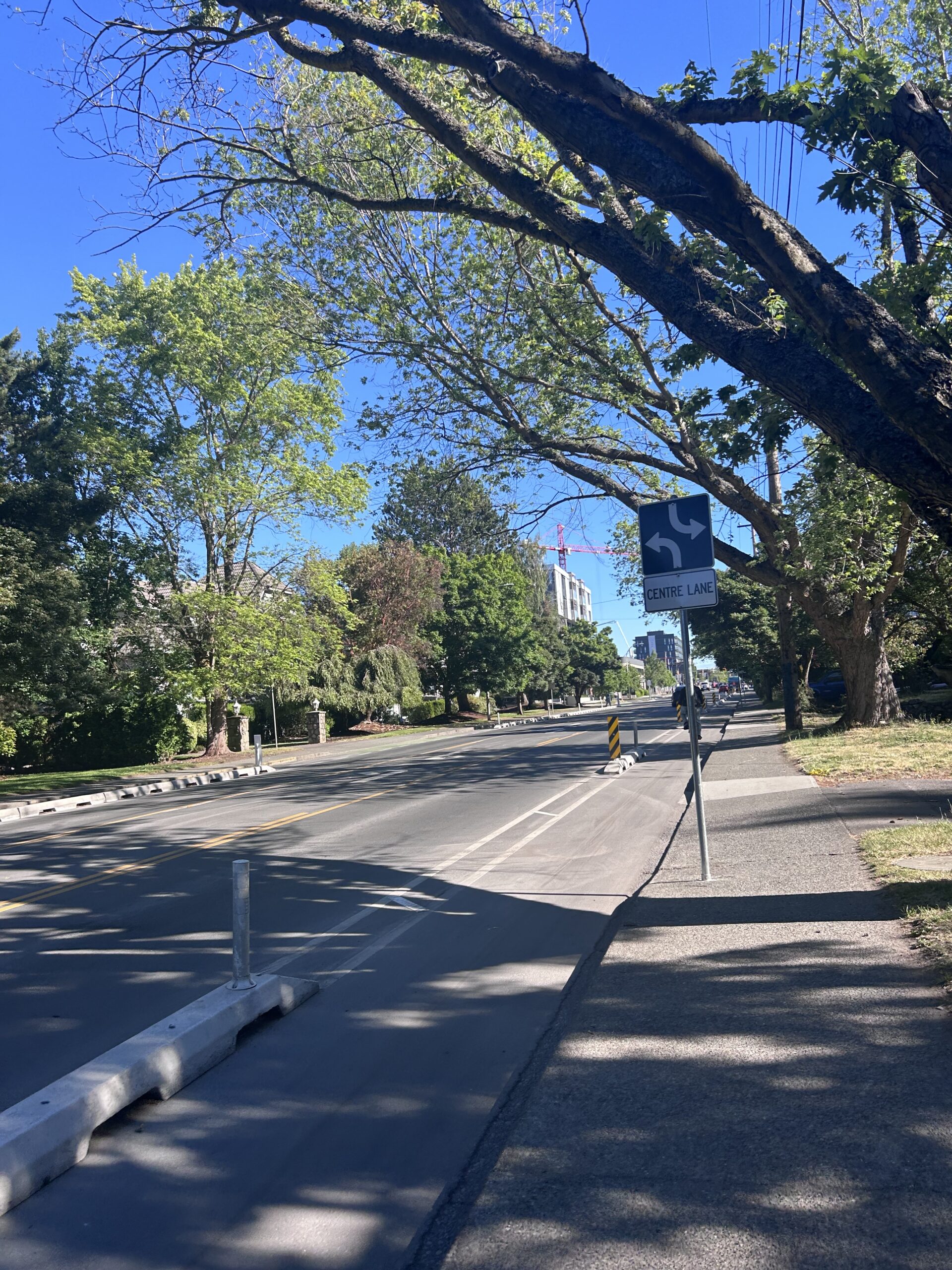
My plan seemed simple: walk the trail, take photographs, record sounds, and create a story from whatever I experienced. What I did not realize was how different the hike would feel when I was paying attention instead of simply trying to get somewhere.
When I arrived at the park, I discovered that part of the main trail was closed. At first, I was slightly frustrated because I had expected to follow the most direct route. Instead, I chose to follow one of the alternate trails and see where it would take me. It ended up being a much longer route than I expected, but looking back, I am glad it happened. If I had taken the shortest path, I probably would have missed many of the moments that became part of this story.
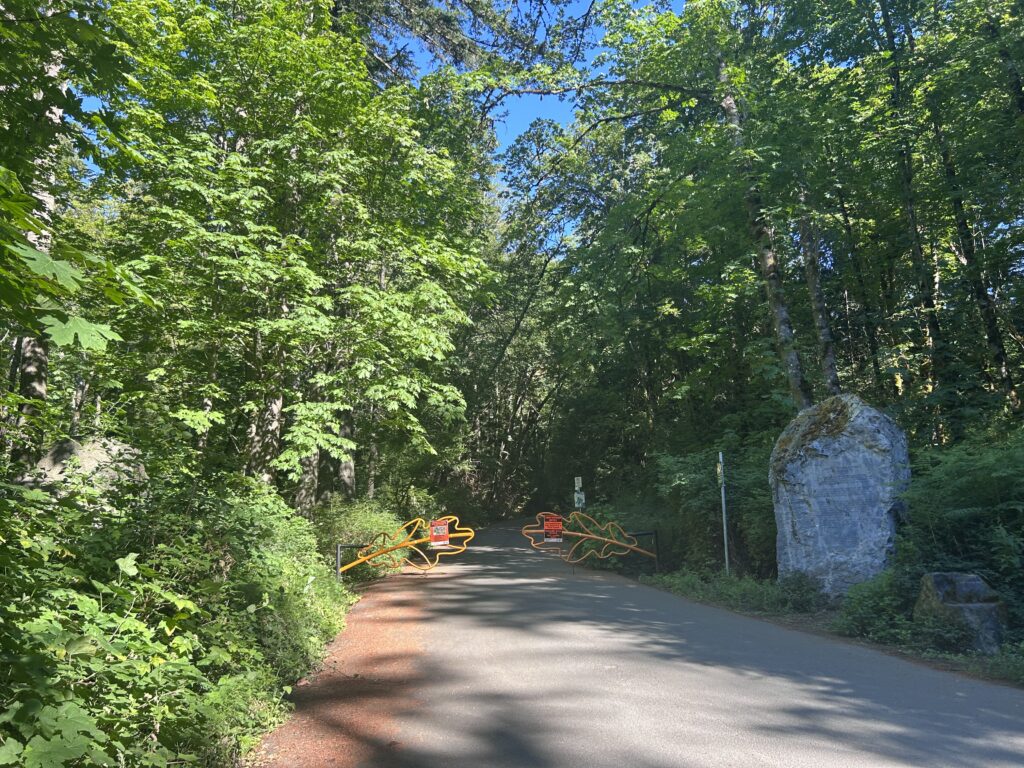
The first few minutes felt ordinary. People passed by walking their dogs, runners moved quickly along the trail, and I found myself doing what I usually do when walking alone—thinking about assignments, work, and everything I needed to do later.
Then I remembered the purpose of the project. I stopped walking for a moment and simply listened. Birds called back and forth somewhere above me. Wind moved gently through the branches overhead. These sounds were probably always there, but I rarely paid attention to them because I was usually focused on reaching my destination.
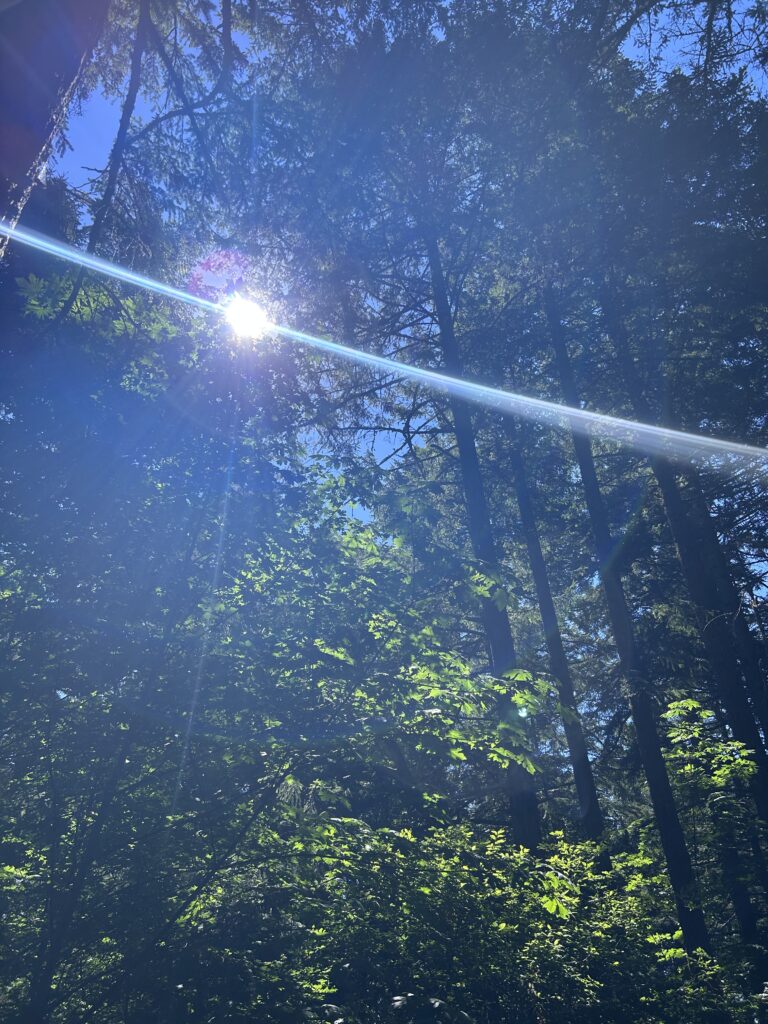
As I continued climbing, I started noticing details that I would normally ignore. A patch of sunlight broke through the trees and illuminated part of the forest floor. Moss covered rocks along the side of the trail. Fallen branches created patterns across the ground. The shade from the trees was especially noticeable on such a warm day and made the hike much more enjoyable.
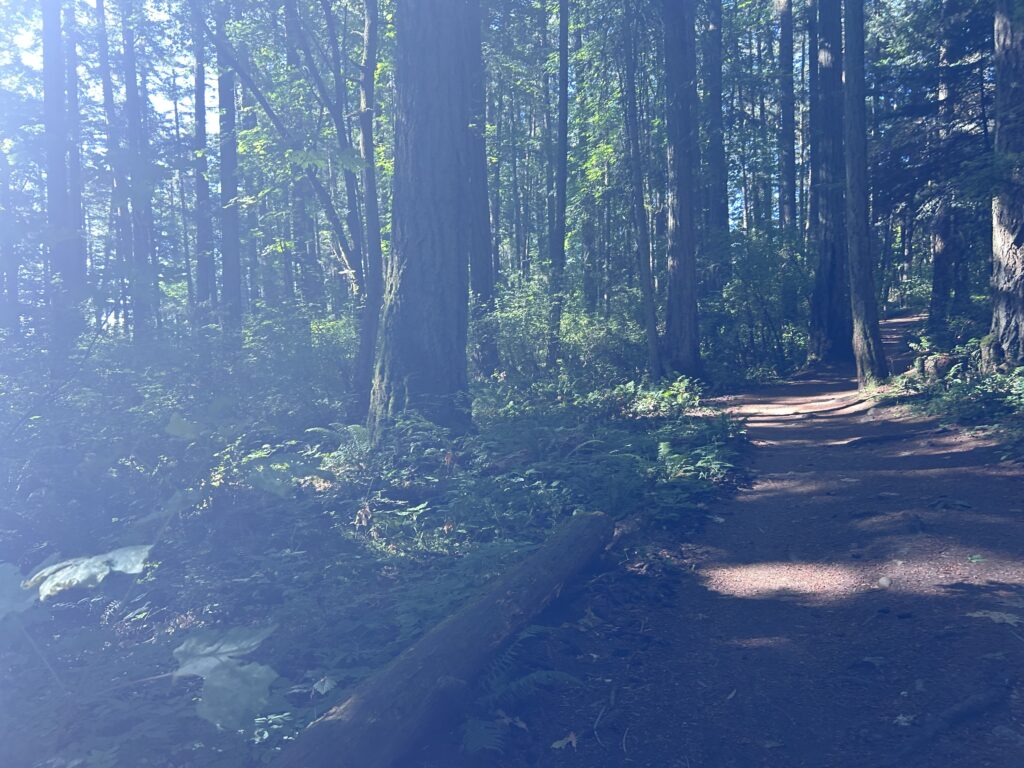
The more time I spent observing my surroundings, the slower my pace became. Instead of thinking about how quickly I could reach the summit, I found myself stopping frequently to take photos and record sounds. What had started as an assignment was gradually becoming an experience I genuinely enjoyed.
About halfway through the hike, however, my enthusiasm started to fade. I found a place to sit and took a break for about fifteen minutes. Up until that point, I had chosen some of the steeper sections of the trail without thinking much about it. I am not an experienced hiker, and I am definitely not someone who enjoys steep climbs. I was tired, sweating, and beginning to question whether I actually wanted to continue.
Part of me thought that I had already collected enough photos and audio recordings for the assignment. I could easily turn around and still complete the project.
As I sat there, I started watching other hikers pass by. What surprised me was how many of them were older than me. Some looked like they hiked these trails regularly. They moved at a steady pace, chatted with friends, and seemed completely comfortable on the terrain. Seeing them made me rethink my decision to stop. If they could keep going, I could probably make it a little farther.So I got up and continued.
The trail became more challenging as I climbed higher. I had always imagined that reaching the summit was mostly a matter of walking uphill, but there were sections with large rocks and steeper climbs than I expected. At several points, I realized I had underestimated the hike. The challenge forced me to focus on each step rather than worrying about how much farther I had to go.
Strangely, that ended up helping me enjoy the experience more. During the steeper sections, I did not stop to take many photos or recordings. My attention was focused on the trail and making sure I had stable footing. The path was narrow in some places, and I did not want to risk dropping my phone or losing my balance while trying to capture content. As a result, some of the most challenging parts of the hike exist only in my memory rather than in my media collection. Looking back, I think that was for the best because it allowed me to be fully present in the experience instead of viewing everything through a screen.
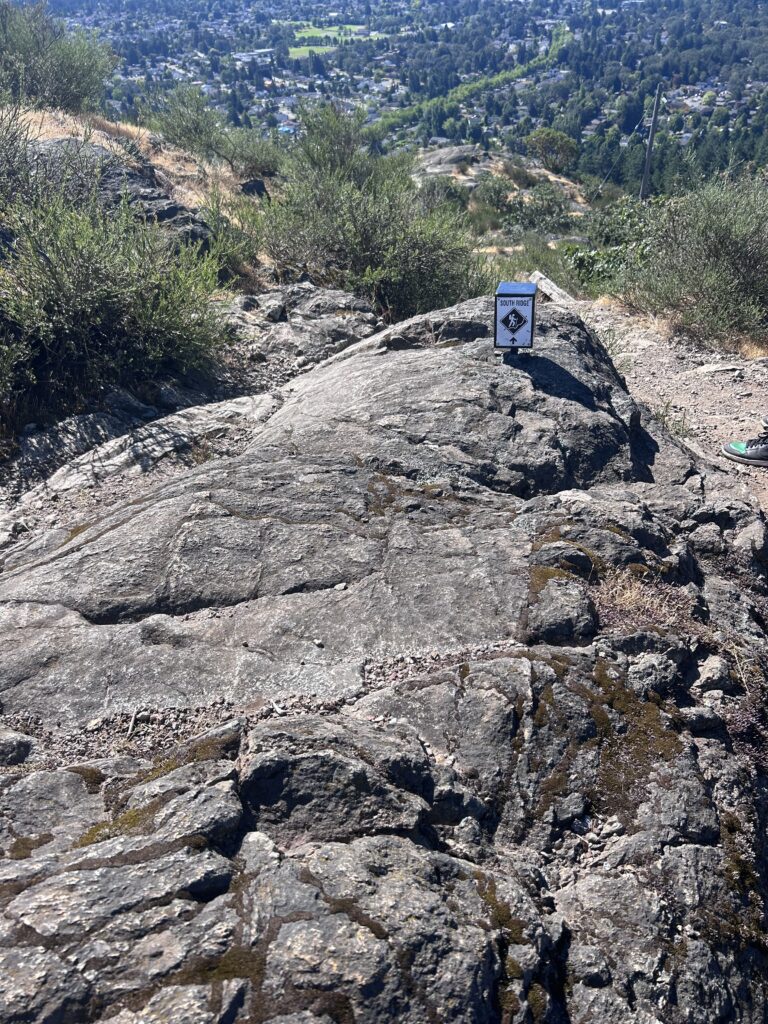
Instead of thinking about the summit, I focused on what was immediately around me: the texture of the rocks, the roots crossing the trail, the changing scenery, and the occasional openings between the trees that offered glimpses of the view below.
The higher I climbed, the quieter my thoughts became.I was no longer thinking about assignments or the long list of things I needed to do later. My attention was focused entirely on the trail and the environment around me. Eventually, I reached the summit.
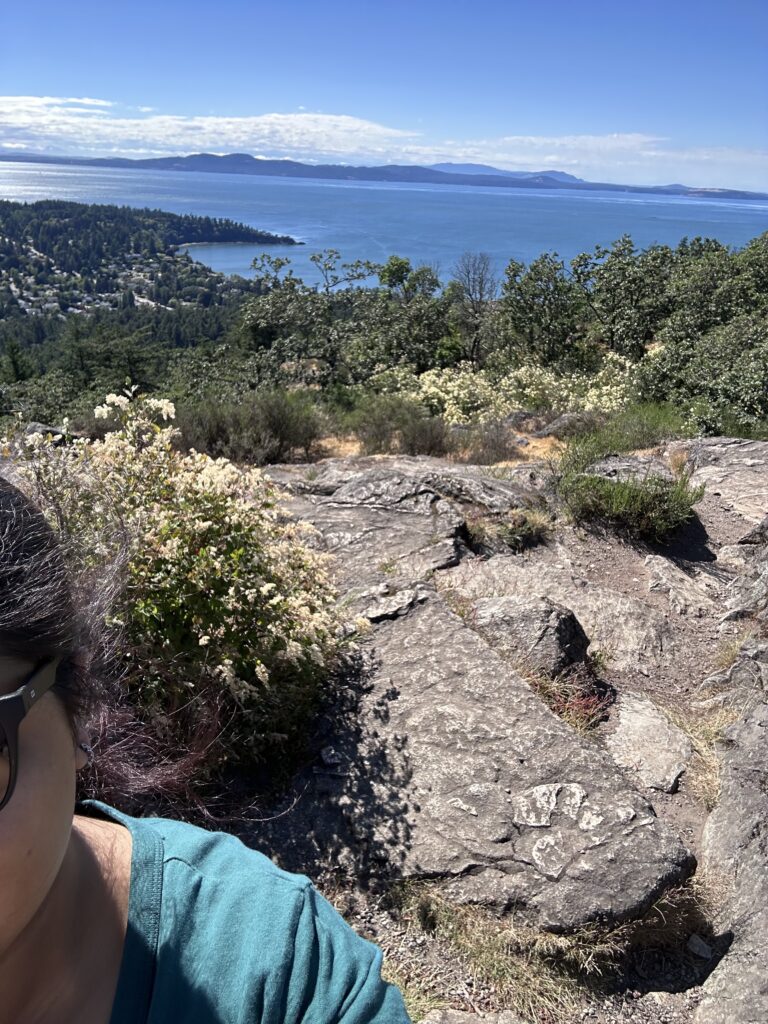
The view stretched across Victoria, the ocean, and the surrounding hills. I took a few photos of my own but spent most of my time simply looking around. After spending so much time focused on getting there, it felt good to stop moving and appreciate the view.
As I sat at the top, I thought about how different the experience had been from what I expected. I originally viewed this hike as something I needed to do for a course assignment. Somewhere along the way, it became much more than that. The hike itself had not changed. The trail was the same trail it had always been. The scenery was the same scenery that hundreds of people see every day. I felt different. I closed my eyes and let the sound of the wind quiet my thoughts. For me it was a little more than just a hike.
The walk back down felt easier. I was less focused on reaching a destination and more aware of everything around me. I found myself noticing details that I had missed on the way up and appreciating the quiet atmosphere of the forest one last time before returning to the noise of the city. The sun looked absolutely gorgeous through the meadows, or maybe I was just too happy.
This project taught me something simple but important. Adventure does not always have to mean doing something extreme, exciting, or completely new. Sometimes adventure means stepping away from routine, paying attention to your surroundings, and allowing yourself to experience a familiar place differently. Sometimes, we all just need a little push.
Mayer’s Principles of Multimedia Learning
To tell this story, I used three forms of media: photographs, audio recordings, and written narration.
The photographs helped capture visual moments from the hike and provided context for the story. The audio recordings allowed viewers to experience sounds that would be difficult to communicate through text alone, such as birdsong, footsteps, and wind moving through the trees. The written narration connected everything together and guided viewers through my experience.
I also applied several of Mayer’s Principles of Multimedia Learning throughout the project:
Redundancy Principle: I avoided adding unnecessary captions and descriptions to prevent extraneous cognitive load.
Coherence Principle: I avoided adding unnecessary effects, music, or visual distractions that would take attention away from the story.
Spatial Contiguity Principle: Images and audio clips are placed close to the sections of text they relate to, making it easier for viewers to connect the media with the narrative.
Modality Principle: Audio recordings communicate environmental sounds directly rather than requiring lengthy written descriptions.
Segmenting Principle: The story is organized into sections that follow the progression of the hike, from preparation and arrival to the summit and final reflection.
Signaling Principle: Headings, photographs, and media placements help guide the audience through the story and highlight important moments.
Additionally, I have tried applying the Personalization Principle by using conversational language, rather than more formal speech.
Peer Feedback and Revisions
After sharing my draft with Jaime and Anuska, I received positive feedback on my plan for the project. They liked the idea of focusing on the small details of the hike and suggested that I make stronger connections between the photos, audio recordings, and written reflections.
Based on their feedback, I organized the story in the order that the hike happened so it would be easier to follow. I also made sure that each photo and audio clip was connected to a specific part of the story rather than being added separately. In addition, I expanded my reflections on the hike and explained more clearly how I used Mayer’s Principles of Multimedia Learning in the final project.
Final Reflection
When I first began this project, I thought I needed a dramatic adventure to create an interesting story. Instead, I learned that a meaningful story can come from something much simpler.
I am also grateful for this course because it gave me the motivation to complete a hike that I had been putting off for months, actually, years. Reaching the summit felt rewarding, not only because of the view but because I had finally followed through on something I had wanted to do for a long time.
By slowing down, paying attention, and fully experiencing the hike, I noticed details that I would normally have overlooked. The combination of photography, audio recordings, and written reflection allowed me to capture those moments and share them with others.